Crossing the Canada-USA Border in 2026: Everything Campers & RV Travelers Need to Know
Crossing the Canada-USA border by land in 2026 is still straightforward — but the rules have changed. New biometric photo requirements, a mandatory registration form for stays over 30 days, the end of the remote RABC crossing program, and a more scrutinized entry process mean that campers, RV travelers, and snowbirds need to prepare more carefully than before. This guide covers everything you need to know before hitting the road.

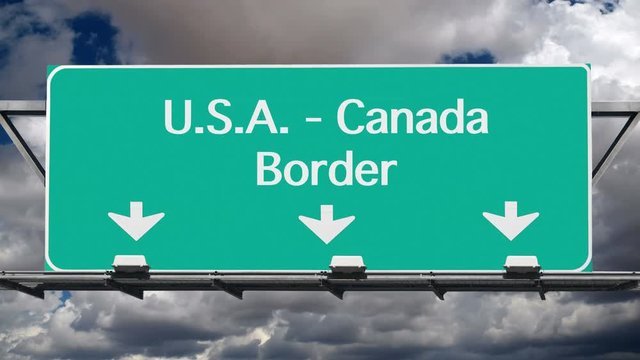
The rules have changed. If you're a Canadian heading south for a winter camping trip, a snowbird, a van lifer, or an American planning a road trip into Canada, 2026 has brought significant new requirements that could affect your crossing — and your trip. Here's what you need to know before you hit the road.
For decades, crossing the Canada-USA border by land felt almost effortless for most travelers: roll up to the booth, answer a few questions, show your passport, and go. That era is officially over. Between new biometric screening rules, a mandatory registration requirement for longer stays, the end of a long-standing remote crossing program, and a charged political atmosphere, the experience at the border is changing in ways that matter especially to campers, RV travelers, and snowbirds.
None of these changes should stop you from making the trip — but going in unprepared is no longer an option.
1. 🤳 Biometric Photos at Land Borders — Mandatory Since December 26, 2025
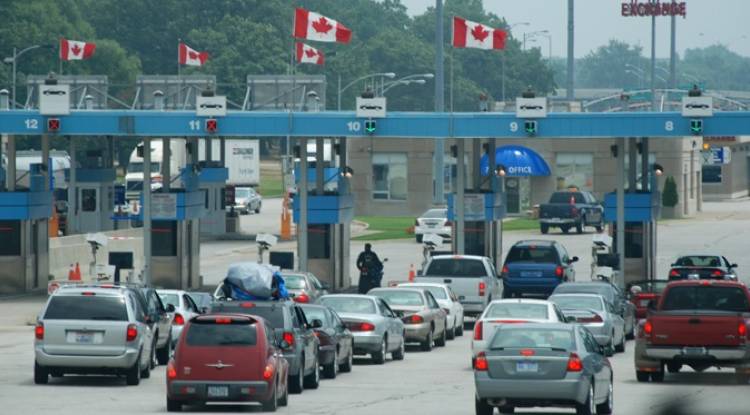
This is the biggest change of the year. As of December 26, 2025, U.S. Customs and Border Protection (CBP) now photographs all non-U.S. citizens at land border crossings — both entering and exiting the United States. This includes Canadians, who were previously largely exempt from biometric collection at road crossings.
The system was already in place at airports and seaports for years. The new rule simply extends facial recognition to land borders, creating a unified screening system across all entry points.
Who it affects most: Snowbirds, RV travelers, and frequent crossers will feel this change immediately. Expect brief additional pauses at the booth as photos are captured — this is routine, not a flag or a search.
What you need to do
Nothing in advance. No registration, no form to fill out beforehand. The photo is taken automatically at the crossing. U.S. citizens are exempt (voluntary participation only). The main practical impact is slightly longer processing times at busy crossings.
💡 Tip: If a border agent asks you to look at a camera or hold still for a moment, this is the new biometric process. It is mandatory for non-U.S. citizens, applies to everyone including children, and is not a cause for concern.
2. 📋 Form G-325R — Required for Stays of 30 Days or More
This rule, introduced in April 2025, directly impacts snowbirds and long-haul RV travelers. Any Canadian visiting the United States for 30 consecutive days or more is now required to register with U.S. Citizenship and Immigration Services (USCIS) using Form G-325R, submitted online before or during the stay.
⚠️ Important: Failure to register can result in penalties when leaving or re-entering the U.S. This is not a visa — Canadians still don't need one for tourism or short business visits. But if your camping trip, winter stay, or road trip stretches past the 30-day mark, registration is now required.
How to register
Visit the USCIS website at uscis.gov and complete Form G-325R online. The process is straightforward and takes only a few minutes. Keep your confirmation number and have it accessible during your stay and at re-entry.
3. 🪪 Documents & Questions — Be Ready for More Scrutiny
While the visa-free entry rule for Canadians remains fully in place, border officers are asking more follow-up questions in 2026. Purpose of visit, length of stay, where you're staying, and ties to Canada are all being examined more carefully than before.
For campers and RV travelers, this is actually fairly easy to handle — you just need to be prepared.
📋 Essential Documents Checklist for Campers:
- Valid passport for all travelers (including children)
- Your planned camping itinerary with dates and destinations
- Campground reservations or booking confirmations
- Proof of Canadian residence (lease, utility bill, mortgage statement)
- Evidence of your return plan (return date, driving route)
- G-325R confirmation number (if staying 30+ days)
- Vehicle registration and insurance documents
Keep your campground reservations accessible on your phone or printed. If you're planning a flexible, unbooked trip, be ready to describe your route and general destination areas clearly.
4. 🌲 End of the RABC Program — Major Change for Wilderness Campers
This one matters specifically to hunters, anglers, and backcountry campers who use remote crossing points. The Canada Border Services Agency (CBSA) is officially shutting down its Remote Area Border Crossing (RABC) Program on September 14, 2026.
The RABC program allowed approved travelers — roughly 90% of them Americans — to enter Canada through remote northern Ontario or the Northwest Angle into southern Manitoba without reporting to a staffed port of entry. That flexibility is going away.
What replaces it
Starting September 14, 2026, travelers entering through these remote areas must telephone report to a designated CBSA number immediately upon entry, providing passport details, travel plans, and supporting documents. Existing RABC permits remain valid until September 13, 2026.
⚠️ If you use remote crossings for camping, hunting, fishing, or cottage access: Check whether your entry point falls within the former RABC zone. Pre-save the CBSA reporting number on your phone, and have passports, vessel registration, and any relevant permits ready before you call.
5. 💰 Trade Tensions — Should Campers Worry?
The headlines about tariffs, diplomatic friction, and trade disputes between Canada and the U.S. have been hard to miss in 2025 and into 2026. But it's worth separating political noise from the actual travel experience on the ground.
Simply put: the tensions are real at the government level, but they haven't translated into hostility toward everyday travelers. American campers continue to be warmly welcomed in Canadian provincial parks, and Canadian RVers in U.S. campgrounds report no change in how they're treated by fellow travelers or campground staff.
💡 Silver lining for American travelers: The strong U.S. dollar currently gives American campers roughly 40–45% more purchasing power in Canada. Groceries, fuel, campsite fees, and gear purchases all feel more affordable — making a Canadian camping trip an excellent value right now.
On RV prices
Tariffs on steel, aluminum, and offshore-manufactured components are beginning to push RV manufacturing costs upward. While RVs themselves remain exempt under the USMCA agreement (up for review in July 2026), 2026 model pricing is expected to be higher than previous years. If you're in the market for a new unit, pre-tariff inventory at dealers may still be available at better prices.
📌 Quick Summary — The 2026 Border at a Glance
- Biometric photos: Mandatory for all non-U.S. citizens at land crossings since December 26, 2025. No advance action needed.
- G-325R registration: Required for all stays of 30 days or more in the U.S. Register at uscis.gov.
- More questions at the booth: Have your itinerary, reservations, and Canadian residence proof ready.
- RABC program ends: September 14, 2026 — remote area crossers must telephone report to CBSA.
- Traveler-to-traveler experience: Positive on both sides of the border, regardless of political climate.
The bottom line: crossing the Canada-USA border in 2026 requires a bit more preparation than it used to — but it's absolutely manageable. Know the rules, carry your documents, and you'll spend more time enjoying your campsite and less time at the booth.
Planning a cross-border camping trip?
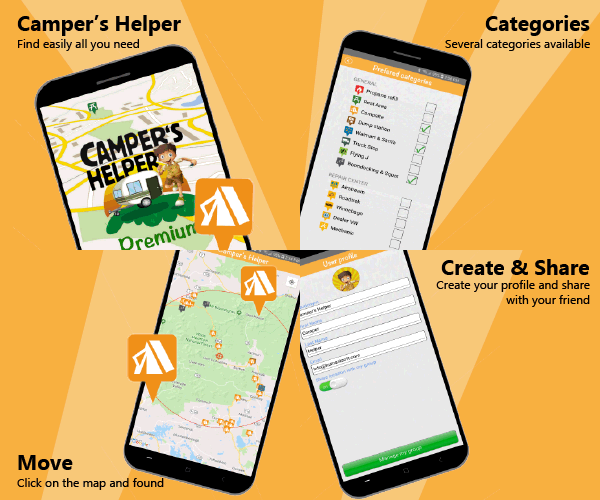
Use the Campers-Helper app to find campgrounds, plan your route, and stay on top of border wait times across North America.
→ Explore Campers-Helper
Share
What's Your Reaction?
 Like
0
Like
0
 Dislike
0
Dislike
0
 Love
0
Love
0
 Funny
0
Funny
0
 Angry
0
Angry
0
 Sad
0
Sad
0
 Wow
1
Wow
1